Old Muscat (Muscat Proper)
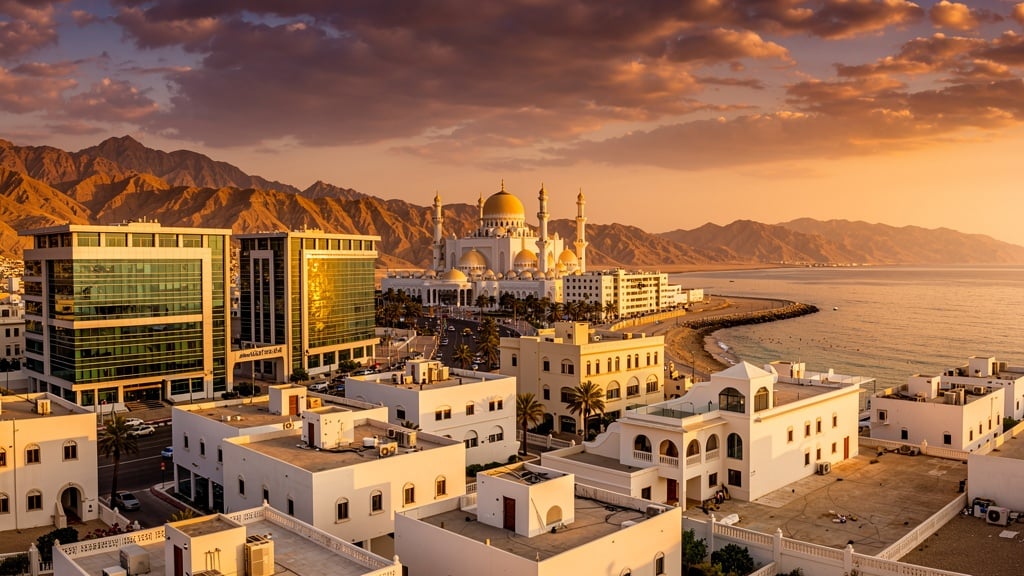
The original heart of the city, Old Muscat is the area that has given the
entire metropolis its name and its identity. Enclosed within ancient walls
and accessed through dramatic ceremonial gates, this district contains the
royal palace complex, the twin Portuguese forts, the Fish Market on the
waterfront, and some of the best-preserved examples of traditional Omani
urban architecture in the country. Walking through Old Muscat requires no
particular plan or itinerary — simply following the narrow streets at
random will invariably lead to photogenic corners, unexpected views and
encounters with the quiet, dignified life of one of Arabia's oldest urban
settlements. The National Museum of Oman, opened in 2016, is located
at the edge of the old city and provides a world-class introduction to
Oman's 10,000-year human history.
Mutrah: The Soul of Muscat's Commercial Life
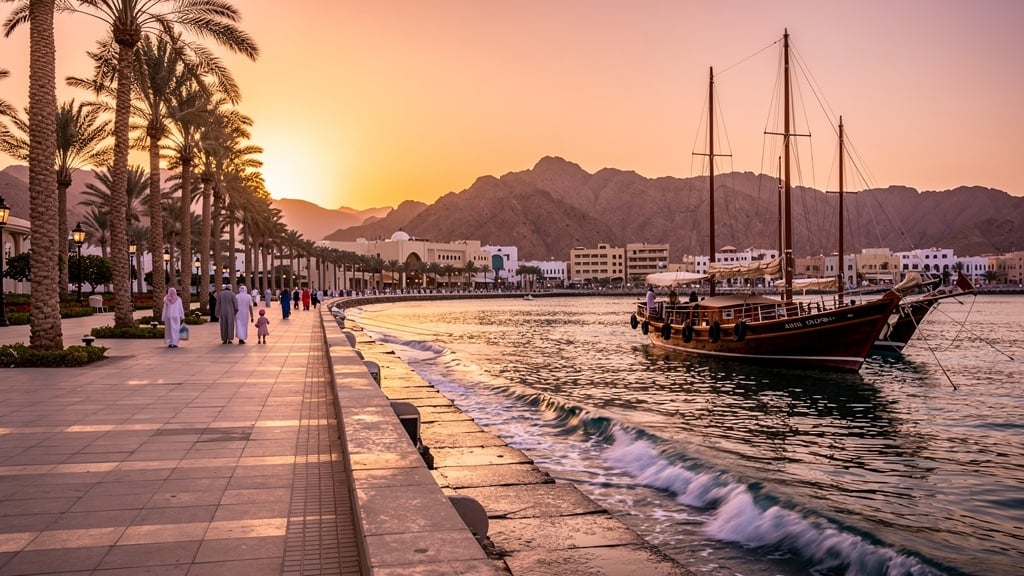
Mutrah is where Muscat's working life has always been lived. The district's
famous Corniche waterfront — a curving arc of white buildings, palm trees
and traditional boats set against the dramatic backdrop of a rocky headland
— is one of the most photographed views in Oman. Behind the Corniche, the
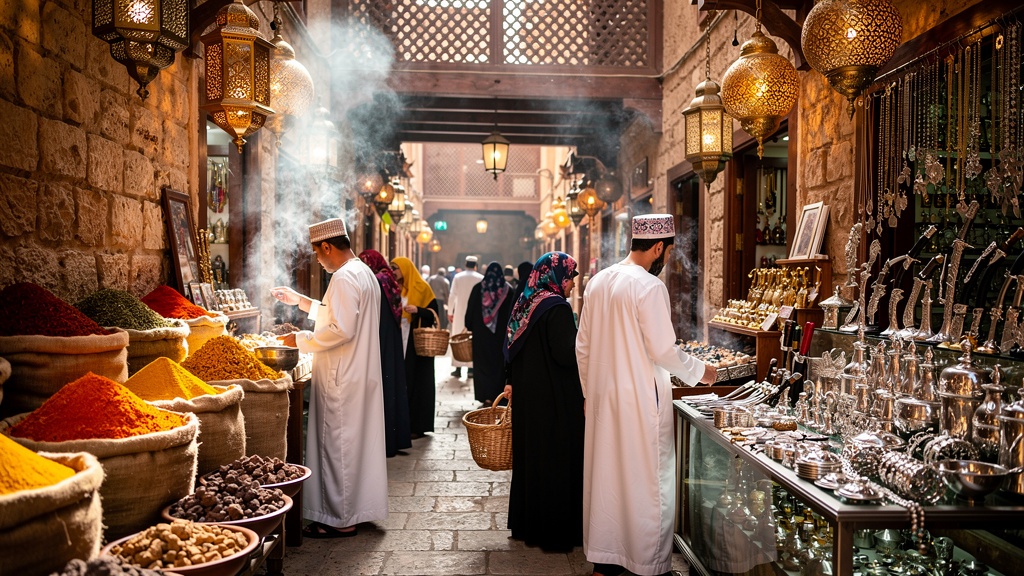
streets of Mutrah are a densely packed commercial district of shops, restaurants,
money changers, spice merchants and the entrance to the famous souq. The
Mutrah Fish Market, held each morning on the waterfront, is a wonderfully
chaotic spectacle of glistening tuna, hammour, kingfish and squid freshly
landed from the night's fishing. Mutrah is also home to Muscat's significant
Indian community, whose presence is reflected in the district's excellent
curry houses, chai stalls and fabric shops.
Ruwi: The Commercial Centre
Ruwi serves as Muscat's original central business district and still
concentrates much of the city's commercial and banking activity. The area's
main street — Ruwi High Street — is flanked by tall office buildings, hotels,
currency exchange offices and a dense network of shops catering to Muscat's
large expatriate population. The Ruwi Clock Tower, a distinctive landmark
at the heart of the district, is a useful orientation point. Ruwi is also
home to several excellent Indian restaurants that offer some of the finest
biryani and seafood dishes in Muscat at prices considerably more accessible
than the upmarket hotel restaurants of the western districts.
Qurum and Shati Al Qurum: The Diplomatic Quarter
Moving west along the coast from Ruwi, the districts of Qurum and Shati Al
Qurum represent Muscat's most elegant residential and diplomatic neighbourhoods.
Wide tree-lined boulevards, manicured gardens, high-end restaurants, luxury
hotels and well-maintained parks characterise this part of the city.
The Royal Opera House is situated here, as are many of Muscat's finest
hotels and the city's most sophisticated restaurant row along Shati Al
Qurum's beachfront. The diplomatic missions of most major countries are
concentrated in this district, reflecting its status as Muscat's most
prestigious address.
Al Ghubrah and Bausher: Western Muscat
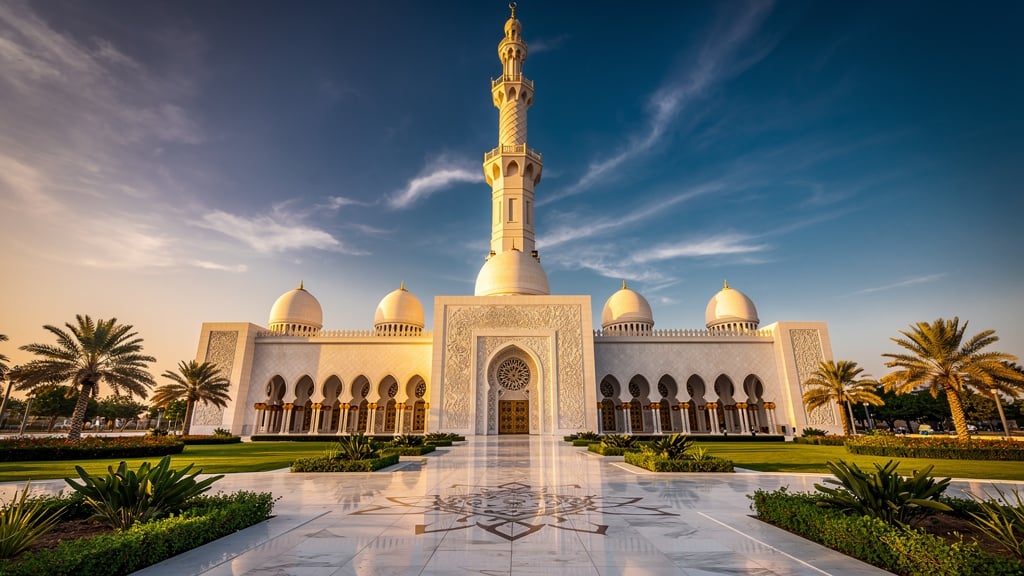
The western districts of Al Ghubrah and Bausher are dominated by the
enormous complex of the Sultan Qaboos Grand Mosque and by Muscat's
most modern residential and commercial developments. Wide roads, modern
shopping malls, international fast-food chains and gleaming hotel towers
characterise the urban landscape here, but the Grand Mosque itself
remains an attraction of overwhelming power that justifies the journey
from the older eastern districts. The Knowledge Oasis Muscat, situated
in Bausher, is the city's technology and innovation district, home to
several of Oman's leading universities and technology companies.
Al Seeb: The Gateway District
Al Seeb, situated at the western end of the Muscat metropolitan area adjacent
to Muscat International Airport, is both the arrival point for most international
visitors and a pleasantly unpretentious residential district with a character
quite different from the more tourist-oriented areas closer to the city centre.
Al Seeb's own traditional market and beachfront provide a glimpse of everyday
Omani life away from the main tourist trail, and the district's proximity to
the airport makes it a convenient base for visitors arriving on late flights
or departing on early ones.